
Introduction
- Affiliate marketing has emerged as a prominent strategy for generating online revenue, allowing individuals or businesses to earn commissions by promoting products or services offered by other companies. In this competitive landscape, the ability to differentiate and provide valuable insights into products can significantly influence potential buyers. One effective method to achieve this is through product comparisons. These comparisons not only assist consumers in navigating their options but also enhance affiliate conversions by presenting clear, detailed analyses of competing products.
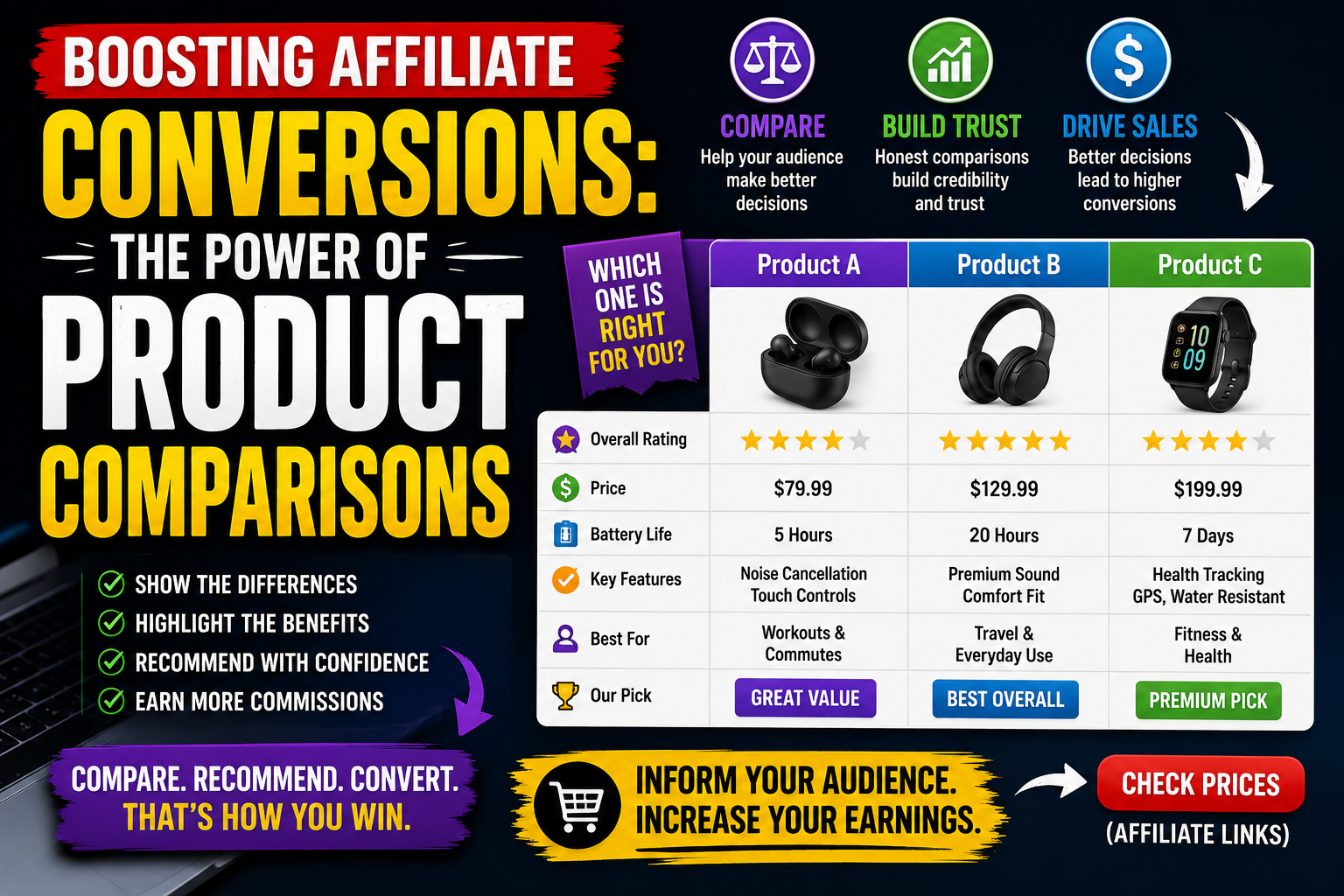
- The significance of product comparisons in affiliate marketing cannot be overstated. By laying out the features, benefits, and drawbacks of similar products side by side, affiliates create a framework that supports informed decision-making. This approach addresses common buyer concerns, such as price points, quality, and usability, ensuring that potential customers are equipped with the necessary information to make sound purchases. These comparisons also foster trust between the affiliate and the audience, as they demonstrate an understanding of the products beyond mere promotion.
- Additionally, product comparisons contribute to increased conversions by highlighting essential aspects that may influence a customer's choice. For example, showing differences in pricing, additional features, or after-sale support can sway readers in favor of one product over another. As customers are often overwhelmed by the multitude of choices available online, a well-structured comparison offers clarity and can lead them directly to a purchase. Therefore, it is evident that incorporating product comparisons within affiliate marketing strategies can yield significant benefits in improving conversion rates and ultimately driving sales.
The Role of Product Comparisons in Consumer Decision-Making
- In the contemporary digital marketplace, consumers are often inundated with a plethora of choices, making the decision-making process both exciting and overwhelming. Product comparisons serve as a vital tool in facilitating informed decisions, as they allow consumers to systematically evaluate multiple products side by side. This evaluation includes scrutinizing various elements such as features, prices, and benefits, which are critical factors influencing purchase decisions.
- The desire for informed decision-making has never been more prominent. Research indicates that consumers prefer to thoroughly compare options before committing to a purchase. By engaging in product comparisons, shoppers can mitigate the risk of buyer’s remorse, which often arises from impulsive choices. This comparative analysis not only empowers buyers but also fosters confidence in their selections, leading to higher satisfaction rates post-purchase.
- Moreover, products can vary significantly in terms of specifications and prices. Consumers utilizing product comparison tools or platforms can easily discern the value each product brings relative to its cost. This clarity is crucial in a market filled with diverse offerings, as it helps consumers prioritize their needs and budget constraints. Additionally, product comparisons often highlight unique selling points or advantages, guiding consumers toward the optimal choice tailored to their specific requirements.
- In essence, as the online shopping landscape continues to expand, the role of product comparisons remains central to consumer decision-making. By simplifying complex evaluations into digestible formats, these comparisons not only enhance consumer awareness but ultimately foster a more empowered shopping experience. This is particularly relevant in affiliate marketing, where intermediaries play a pivotal role in presenting these comparisons to potential buyers. Understanding the impact of product comparisons is essential for any affiliate marketer aiming to boost conversions and drive successful transactions.
Enhancing User Experience Through Simplified Comparisons
- In today's digital landscape, an improved user experience is crucial for affiliate marketing success. One of the most effective strategies to enhance this experience is through well-structured product comparisons. These comparisons facilitate a clearer understanding of options available to potential buyers, leading to more informed decisions. A logical layout helps users navigate easily through the affiliate site, eliminating any confusion and streamlining the shopping experience.
- Utilizing intuitive designs, such as grids or lists, can significantly enhance user engagement. Essential attributes of each product, such as price, features, and benefits, should be presented in a clear and concise manner. This allows users to quickly grasp differences and benefits without becoming overwhelmed by excessive information. Additionally, incorporating visual elements like charts or comparison tables can effectively summarize key points, making it easier for visitors to scan through options and compare multiple products at a glance.
- Moreover, enhancing user experience through simplified comparisons encourages extended site visits. When users find information accessible and easy to understand, they are more likely to stay on the site longer, thereby increasing the likelihood of conversion. It is essential to strike a balance between informative content and seamless design; excessive detail can deter users, while overly simplistic presentations might leave them wanting more. An effective approach is to prioritize the most critical information while allowing users to delve deeper into specifics if they desire.
- Ultimately, creating an affiliate site that prioritizes user-friendly comparisons fosters positive engagement and drives conversions. By structuring product comparisons thoughtfully, affiliate marketers can optimize their sites for usability and establish trust with potential customers, positioning themselves as reliable sources of information. The aforementioned strategies not only improve clarity but also elevate the overall shopping experience, leading to better outcomes for both consumers and affiliates.
SEO Benefits of Using Comparison Content
- Creating product comparison content offers a multitude of SEO advantages that can significantly enhance the visibility of a website. One of the primary benefits is its ability to attract organic traffic through the strategic use of relevant keywords. When users search for products, they often use specific terms that describe their needs, leading to the effective integration of long-tail keywords within comparison articles. These specific phrases not only cater to user intent but also help websites rank higher on search engine result pages (SERPs).
- Additionally, product comparison content tends to fulfill the criteria set by search engines for quality information, which can further improve a site's visibility. When comparisons are conducted thoroughly and presented in a clear, engaging manner, they not only inform the reader but can also encourage longer on-page time. This behavior signals search engines that the content is valuable, consequently enhancing the overall SEO performance.
- Another significant aspect of product comparison content is its potential to generate backlinks. High-quality comparison articles can serve as authoritative resources for readers, prompting other websites to reference and link back to the original article. This not only increases referral traffic but also solidifies the site's credibility in its niche. Backlinks are a crucial ranking factor in SEO; therefore, creating compelling and informative comparison content can be a strategic tactic to build authority and trustworthiness.
- Furthermore, the synergy between quality content and improved search engine rankings cannot be understated. As websites produce well-researched and insightful comparisons, they naturally attract visitors seeking guidance. This increased traffic can lead to higher conversion rates, making comparison content an effective method for both engaging audiences and boosting sales for affiliate marketers.
Building Trust and Authority with Product Comparisons
- In the competitive realm of affiliate marketing, establishing trust and authority is paramount for driving conversions. One effective method to achieve this is through the use of product comparisons. By thoroughly evaluating multiple products within a niche and presenting an unbiased analysis, affiliates can position themselves as knowledgeable sources of information. This not only enhances credibility but also fosters trust among potential customers.
- When consumers are faced with numerous options, they often feel overwhelmed and uncertain about which product will best meet their needs. By offering clear, concise, and comprehensive comparisons, affiliates can help alleviate this confusion. A well-structured comparison highlights the strengths and weaknesses of each product, enabling readers to make informed decisions. Importantly, providing such insights establishes the affiliate as a trusted authority in the market, as visitors begin to rely on their expertise for assistance in navigating their purchasing choices.
- Moreover, unbiased comparisons devoid of promotional bias signal to audiences that the recommendations are rooted in genuine analysis rather than sales tactics. This impartiality is crucial for maintaining a loyal audience, as consumers are increasingly skeptical of overt marketing strategies. By focusing on the merits and shortcomings of products, rather than solely advocating for the highest-paying affiliate program, a trustworthy image is cultivated.
- As trust builds, visitors become more inclined to follow through with their purchases through the affiliate links provided. Ultimately, these informed consumers are likely to return for future purchases or seek further guidance, solidifying the affiliate's status as a reliable resource in their niche. Thus, product comparisons not only serve as valuable tools for consumer decision-making but also play a vital role in enhancing an affiliate’s authority and trustworthiness.
Encouraging Consumer Action through Comparisons
- Effective product comparisons play a crucial role in driving consumer behavior, particularly in the realm of affiliate marketing. By providing potential buyers with side-by-side evaluations of products, marketers can highlight differences, advantages, and unique selling points that distinguish one item from another. This comprehensive approach not only informs consumers but also instills confidence, encouraging them to engage with affiliate links more readily.
- Creating compelling calls to action (CTA) is essential in this context. A well-crafted CTA should seamlessly integrate with the comparison content, guiding users towards desired actions, such as making a purchase or clicking an affiliate link. Employing action-oriented language in CTAs—such as "Discover More" or "Shop Now"—can significantly increase engagement rates. The positioning of these CTAs is equally important; placing them strategically within the comparison sections ensures that they capture readers’ attention at the right moments in their decision-making process.
- Moreover, emphasizing the unique selling points (USPs) of each product in the comparison helps to address potential pain points and preferences of consumers. For example, if one product offers a superior warranty or enhanced functionality, these features should be prominently showcased. By tailoring comparisons to highlight such attributes, marketers can effectively address consumer needs and preferences, making it easier for them to see the value of the promoted products. Additionally, visual aids—such as charts or infographics—can serve to make these comparisons clearer and more engaging, thereby assisting consumers in their purchasing decisions.
- In essence, leveraging product comparisons with strong calls to action and clear communication of unique selling points empowers consumers, effectively guiding them toward making informed purchase decisions through affiliate links.
Leveraging User-Generated Content for Comparisons
- User-generated content (UGC) plays a critical role in enhancing product comparisons by offering authentic insights from real customers. This form of content, which encompasses reviews, testimonials, and ratings, acts as a vital resource for potential buyers navigating their purchasing decisions. Integrating UGC into product comparisons not only enriches the available information but also fosters trust and authenticity, making it easier for consumers to assess the value and functionality of different products.
- When users share their experiences, they contribute invaluable social proof that can significantly influence the behavior of prospective buyers. For instance, when comparing two similar products, the presence of user reviews can point out advantages or shortcomings that a traditional description might overlook. This kind of detailed feedback often resonates more strongly with consumers, as it reflects relatable experiences rather than promotional language. Thus, including user-generated content in comparisons can lead to a more informed and confident purchasing decision.
- Moreover, positive testimonials can enhance the credibility of the comparison, validating the claims made in the product descriptions. If potential customers see that others have had successful experiences with a product, they are more likely to consider it favorably. Consequently, the inclusion of UGC serves to reinforce the perceived value of each option under consideration and helps to differentiate one product from another in the minds of consumers.
- Incorporating user-generated content into product comparisons not only amplifies their efficacy but also cultivates a community of informed shoppers. By allowing customers to share their insights, brands leverage their audience's voices to create a more interactive and engaging comparison experience. This approach not only paves the way for enhanced customer satisfaction but also ultimately drives higher affiliate conversions as consumers are empowered to make choices backed by real-world experiences.
Case Studies: Successful Affiliate Strategies Utilizing Comparisons
- In the competitive landscape of affiliate marketing, some affiliates have successfully leveraged product comparisons to significantly enhance their conversions. One notable example is the tech review site, TechSavvyReview. This site specializes in comprehensive reviews and comparisons of electronic gadgets. By systematically comparing features, prices, and user experiences, TechSavvyReview has created a go-to resource for consumers seeking informed purchasing decisions. Their rigorous approach not only builds trust with the audience but also leads to higher conversion rates. In a recent case study, TechSavvyReview reported a 40% increase in conversions following the publication of side-by-side comparisons of popular smartphones.
- Another exemplary case can be found with FashionFinder, an affiliate website that focuses on beauty and fashion products. Upon implementing product comparison tools that featured side-by-side analysis of various cosmetic brands, FashionFinder experienced a remarkable surge in user engagement. The site’s visitors were not only comparing prices but also evaluating quality metrics, resulting in a 30% increase in affiliate link clicks. This shift towards offering detailed comparisons allowed consumers to make quicker, more confident decisions, which translated into better sales performance.
- Key takeaways from these successful case studies include the importance of detailed and unbiased product comparisons. Affiliates should prioritize providing clear, concise, and informative content that empowers potential customers to make educated choices. Furthermore, integrating user-generated reviews alongside expert comparisons can enhance credibility and trustworthiness. These strategies not only improve customer satisfaction but also effectively increase conversion rates through informed purchasing decisions.
Conclusion and Action Steps
- In the competitive landscape of affiliate marketing, utilizing effective product comparison strategies can significantly enhance conversion rates. By presenting your audience with well-researched comparisons, you empower them to make informed decisions, leading to increased trust in your recommendations. The benefits of product comparisons extend beyond merely listing features; they create a compelling narrative that highlights value, builds trust, and simplifies the buying process.
- Affiliates should consider various tactics when implementing product comparisons, such as focusing on key features that address the needs of target consumers, providing honest pros and cons, and including visual elements that can enhance the clarity of the comparison. Engaging the audience through relatable and transparent content not only attracts potential buyers but also fosters a long-term relationship built on trust.
- Moreover, it is essential to adapt your comparison strategies to various platforms, whether it be blogs, video content, or social media. Each medium offers unique opportunities to present comparisons effectively, engaging users in different ways. As you implement these strategies, monitor your affiliate performance closely to identify what resonates with your audience and where improvements can be made.
- As a next step, reflect on your current practices in affiliate marketing. Are they truly meeting the needs of your audience? By incorporating strategic product comparisons into your approach, you stand to boost both engagement and conversion rates significantly. Now is the time to take action and leverage the power of well-structured product comparisons to elevate your affiliate marketing efforts.
Login or create account to leave comments

Comments (0)