
Introduction
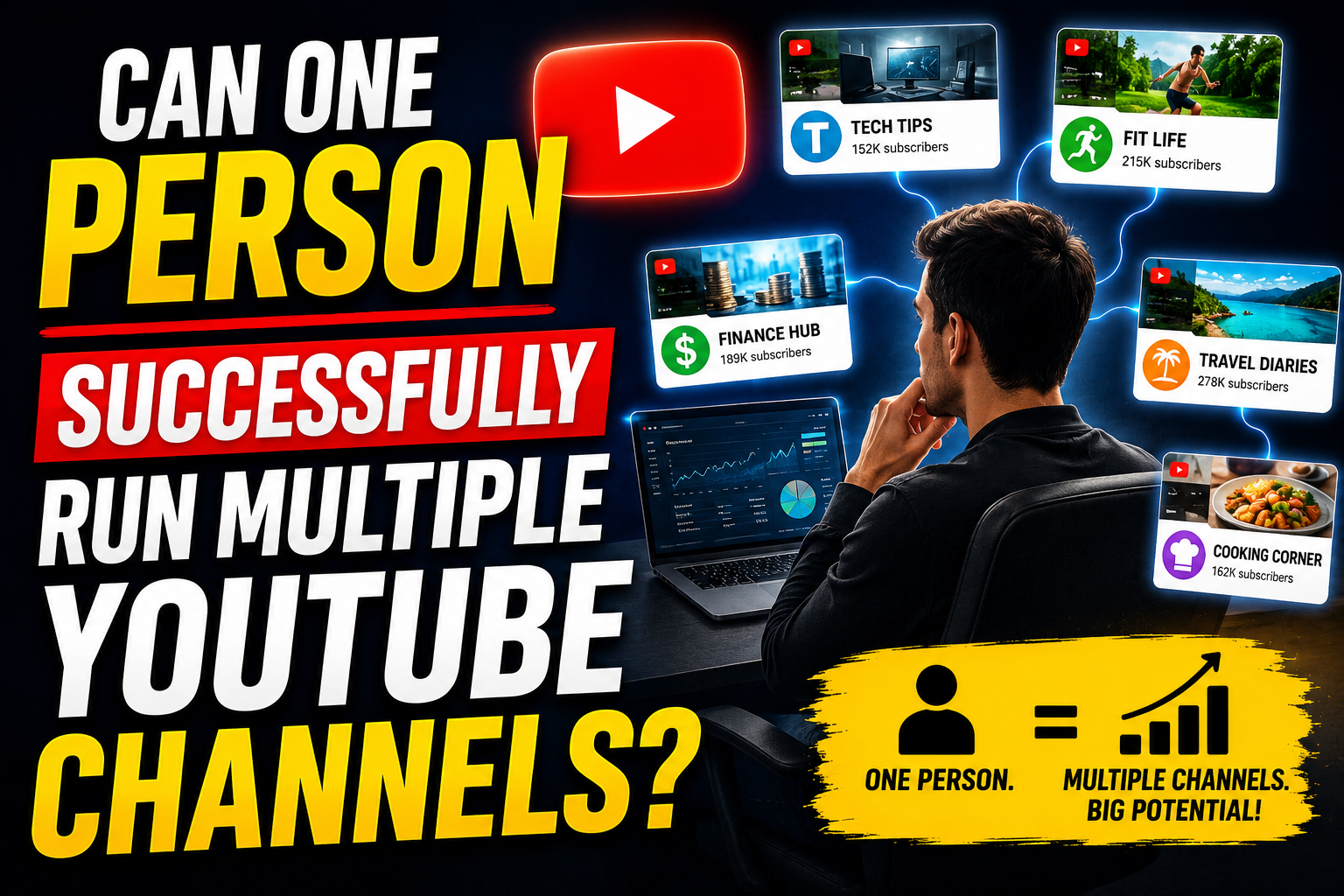
- The landscape of YouTube has evolved significantly over recent years, leading to the emergence of multi-channel influencers. These creators manage multiple YouTube channels, each focusing on different themes, genres, or audiences, thereby maximizing their reach and potential revenue. As a single creator, the capability to effectively run several channels simultaneously prompts both intrigue and skepticism regarding its feasibility.
- One significant advantage of operating multiple YouTube channels is diversification. By catering to various interests and demographics, a creator can broaden their audience base and enhance engagement levels, as individual channels may thrive independently. This approach also allows content creators to experiment with diverse content styles, which can enrich their creative output and keep their audience engaged.
- However, the pursuit of managing multiple channels poses considerable challenges. The most prominent hurdle is time management; producing high-quality content consistently across different channels can become increasingly demanding. Moreover, maintaining a distinct identity for each channel requires substantial strategic planning and effort, which can spread a creator thin and dilute their focus.
- Additionally, creators must grapple with the potential risk of overextending themselves, as balancing numerous projects can lead to burnout. Setting clear goals and organizational frameworks is essential when embarking on the journey of managing several channels. Therefore, while the idea of running multiple YouTube channels offers exciting opportunities for growth and expansion, it necessitates careful consideration and effective execution. This leads to the question—can one person truly sustain the vigor and creativity needed to oversee multiple YouTube channels successfully?
Reasons for Running Multiple Channels
- In the ever-evolving landscape of content creation, many YouTube creators opt to manage multiple channels, often driven by a variety of motivations. One primary reason for this strategy is niche marketing. By focusing on specific topics across different channels, creators can cater to distinct audiences with tailored content. This approach enables them to appeal to varying interests, resulting in a more engaged viewer base. Different niches can also allow for specialized branding, thereby boosting channel recognition and credibility.
- Another significant factor is audience segmentation. By creating separate channels, content creators can target various demographics more effectively. For instance, a single creator might run one channel dedicated to educational content and another focusing on entertainment. This segmentation not only helps in delivering personalized content to specific groups but also maximizes potential viewership and subscriber growth.
- Creativity plays a vital role as well. Managing more than one channel provides creators with the freedom to explore diverse themes and formats. It encourages experimentation, allowing creators to engage their audience in innovative ways while reducing the risk of viewer fatigue associated with a single-channel format. Thus, a creator can continuously showcase their creativity, keeping content fresh and engaging.
- Furthermore, monetization strategies serve as a crucial motivation. Each channel presents unique opportunities for revenue generation through ad income, merchandise, or sponsored content. Different niches may attract varying types of advertisers, thereby enhancing overall earnings potential. By effectively managing multiple channels, a creator can diversify their income streams, reducing reliance on a single channel for financial stability.
Time and Resource Management
- Running multiple YouTube channels effectively poses a distinct challenge in terms of time and resource management. Content creators must first assess their available time and the hours they can realistically devote to each channel without compromising quality. A well-thought-out schedule is crucial for balancing content creation, editing, and uploading across two or more channels. Strategic planning can facilitate this process, as allocating specific days for dedicated tasks, such as filming or editing, can streamline workflow.
- Furthermore, employing productivity tools can assist in managing time more efficiently. Applications designed for project management can help track content ideas, due dates, and progress across channels. This systematic approach reduces the risk of burnout, as it encourages a sustainable pace rather than overwhelming yourself with an incessant barrage of tasks. Regularly revisiting the production schedule can also allow for necessary adjustments, ensuring that unforeseen circumstances do not derail the overall planning.
- One crucial component to consider is engaging with the audience on each channel. Building a community around content necessitates timely responses to comments and messages, which can become strenuous when multiple channels are involved. It is essential to allocate time not just for content creation but also for audience interaction. Designating specific times for viewer engagement can ensure that each channel thrives without diminishing attention to others. In this way, creators can maintain quality and foster strong relationships with their viewers.
- In summary, effective management of time and resources is paramount for anyone attempting to operate multiple YouTube channels. By prioritizing tasks, utilizing productivity tools, and establishing a robust schedule for both content creation and audience interaction, a creator can successfully navigate the complexities of running more than one channel while sustaining high-quality output.
Content Creation Strategies
- Successfully managing multiple YouTube channels requires well-thought-out content creation strategies to streamline the workload while maintaining quality. One effective approach is repurposing content. By taking content created for one channel and adapting it for another, creators can save time and resources. For example, a detailed tutorial video on one channel could be shortened into a highlights reel or transformed into an infographic for a different audience. This approach not only keeps the channels active but also builds cross-channel visibility, ultimately harnessing the existing audience.
- Another powerful strategy is batch filming. This method involves setting aside dedicated time to shoot multiple videos at once. Utilizing batch filming can significantly reduce the time spent on setup, wardrobe changes, and other logistical elements associated with video production. Furthermore, it allows creators to produce a consistent backlog of content that can be released according to a structured schedule. This method benefits channels as it leads to a smoother operation, ensuring that the creator does not experience gaps in content during busy periods.
- Maintaining a consistent posting schedule is crucial for audience engagement, especially when running multiple channels. Having predetermined days and times for uploads helps viewers know when to expect new content, fostering loyalty and anticipation. Content calendars can be invaluable tools in this respect, as they allow for strategic planning of topics, allowing creators to align content with relevant events or trends. Integrating these strategies can help streamline the management process of multiple YouTube channels, enabling creators to enhance their productivity without compromising quality.
Audience Engagement and Growth
- Running multiple YouTube channels poses unique challenges when it comes to engaging and growing distinct audiences. Each channel may cater to different demographics and niches, necessitating a tailored approach. To effectively manage this, it is essential to have a clear understanding of viewer demographics across all channels. By analyzing data such as age, gender, and interests, one can create content that resonates with each specific audience, enhancing viewer engagement.
- One effective strategy for fostering audience engagement is through cross-promotion. This involves leveraging one channel’s audience to promote content on another channel. Creators can briefly feature their other channels at the end of their videos or include links in the description box. Such an approach not only broadens reach but also encourages existing viewers to explore related content, thus increasing overall channel growth. However, care must be taken to ensure that cross-promoted content remains relevant to the audience, as mismatched promotions can lead to subscriber disinterest and disengagement.
- Building a community across multiple channels is another vital aspect of audience engagement. This can be achieved by cultivating an inviting environment where viewers feel included and valued. Encouraging comments, responding to viewer feedback, and hosting live Q&A sessions can foster interaction and loyalty. Furthermore, utilizing social media platforms to engage with audiences beyond YouTube can strengthen the community bond, allowing creators to connect with their audience on a more personal level.
- In conclusion, while operating several YouTube channels presents distinct challenges, effective audience engagement strategies such as understanding demographics, cross-promotion, and community building can facilitate successful growth across multiple platforms. By being mindful of these tactics, a creator can create a synergistic effect that enhances the performance of all channels involved.
Monetization Considerations
- Running multiple YouTube channels can yield various monetization opportunities, but it also comes with inherent challenges that creators must navigate. Understanding these factors is crucial for effectively managing revenue streams across channels.
- Ad revenue remains a primary source of income for many YouTube creators. Each channel is treated distinctly by the algorithm, meaning that monetization potential can vary significantly. While one channel might generate substantial revenue from ads due to higher viewership or engagement, another could struggle, especially if it has a niche audience. This discrepancy necessitates a strategic approach to content creation and audience engagement.
- Sponsorships present another avenue for monetization across multiple channels. Brands are often eager to partner with creators who demonstrate a strong and loyal following. However, the negotiation process can be more complex when juggling various channels. It is essential to maintain authenticity and ensure that sponsored content resonates with each channel's audience, as mismatched partnerships can lead to decreased viewer trust and engagement.
- Additionally, merchandise sales can serve as a significant revenue stream. Creators can leverage their brand identity across channels to sell products. However, producing and marketing merchandise effectively requires careful planning and execution. Successful merchandise campaigns often align closely with the content themes of each channel, bridging the gap between viewership and sales. To capitalize on this opportunity, creators need to analyze the preferences of their distinct audiences and tailor their offerings accordingly.
- In conclusion, while running multiple YouTube channels can diversify income sources and enhance brand reach, the varying monetization potential across different platforms necessitates a thoughtful and strategic approach to content and audience management. Creators must continuously evaluate their strategies to optimize ad revenue, secure valuable sponsorships, and effectively market merchandise, thereby maximizing their overall revenue potential.
Case Studies of Successful Multi-Channel Creators
- Several creators on YouTube have successfully managed multiple channels, showcasing effective strategies and resilience in the face of challenges. One prominent example is Graham Stephan, a personal finance expert who operates several channels focusing on real estate, financial advice, and lifestyle content. Graham’s strategy involves delegating tasks such as video editing and social media management, allowing him to concentrate on content creation and audience engagement. This division of labor has enabled him to maintain a regular posting schedule across his channels, offering consistent value to his audience.
- Another successful creator, Marques Brownlee, also known as MKBHD, manages multiple channels dedicated to technology reviews, vlogs, and podcasts. His approach emphasizes high-quality production and engaging narratives that cater to different audience segments. By leveraging his expertise in tech reviews on his main channel while diversifying with additional content types, such as interviews and lifestyle videos, he has built a robust brand presence. Moreover, Marques invests time in understanding audience preferences, which informs the type of content shared across all his platforms.
- The journey of creators running multiple channels is not without challenges. Time management is a common hurdle; maintaining high-quality content on several fronts can be taxing. For instance, Jenna Marbles, who previously managed various channels portraying different formats, often spoke about the pressure of creative burnout and the need for balance between authenticity and audience expectations. Successfully navigating these issues requires strategic planning, leveraging analytics to understand viewer preferences, and regularly engaging with the community.
- Key takeaways from these case studies suggest that successful multi-channel creators benefit from effective delegation, audience understanding, and a commitment to quality content. Embracing these strategies can serve as a roadmap for aspiring YouTubers aiming to manage multiple channels while fostering growth and engagement across their platforms.
Common Mistakes to Avoid
- Managing multiple YouTube channels can be an enticing opportunity for creators aiming to diversify their content and reach broader audiences. However, this ambition often leads to several common pitfalls that can hinder success and result in burnout or inconsistency.
- One of the primary mistakes creators make is overextending themselves. Juggling multiple channels requires a significant investment of time and energy, and without careful planning, it can quickly become overwhelming. Burnout is a serious risk when the demands of content creation exceed one’s capacity to manage them effectively. To mitigate this, creators should establish realistic schedules that allocate sufficient time for each channel while incorporating breaks to recharge.
- Another common issue is inconsistency in content quality or posting frequency. When a creator splits their focus across several channels, the quality of content may suffer, impacting viewer engagement. It is crucial to develop a content strategy that prioritizes quality over quantity. Setting a manageable posting schedule, even if it means less frequent uploads, can maintain viewer interest and loyalty, ultimately benefiting all channels involved.
- Neglecting audience relationships can also be detrimental. Established followers expect interaction, updates, and engagement from creators they support. It is vital to dedicate time to engage with audiences on all channels, responding to comments and messages to cultivate a community around each brand. Creators should consider utilizing a content calendar to streamline their scheduling and communication efforts, ensuring their audiences feel valued across all platforms.
- In sum, to successfully manage multiple YouTube channels, creators must be mindful of the common mistakes that lead to burnout, inconsistency, and strained audience relationships. Careful planning and engagement strategies will enable creators to thrive without sacrificing their well-being or viewer satisfaction.
Conclusion and Final Thoughts
- Running multiple YouTube channels is a complex yet achievable endeavor that many content creators explore. Throughout this discussion, we have addressed the essential aspects involved in managing various channels such as time management, audience engagement, and niche specialization. Each of these elements plays a crucial role in determining the success of multiple channels.
- Effective time management is paramount when juggling multiple channels. Creators should develop a structured plan that allocates specific time slots for content creation, editing, and audience interaction. Balancing the demands of various content streams can lead to increased efficiency and ensures that none of the channels falls short in quality or engagement.
- Connecting with the audience is another critical factor in maintaining multiple YouTube channels. Each channel should have its own unique voice and connection to its audience to foster loyalty and community. Understanding the demographics, preferences, and feedback from viewers on each channel can lead to tailored content that resonates well, ultimately driving channel growth and success.
- Niche specialization is vital for clearly defining the purpose and content strategy of each channel. Creators should carefully consider how different subjects can work independently while possibly cross-promoting to leverage existing audiences. By cultivating expertise in distinct areas, creators can increase their chances of reaching more viewers interested in specific themes.
- In closing, while running multiple YouTube channels requires dedication, strategic planning, and creativity, it is certainly possible. Aspiring creators with diverse interests should feel encouraged to pursue their passions across various channels. With the right approach and commitment, they can turn their multifaceted interests into a successful YouTube presence that captivates a wide range of audiences.
Login or create account to leave comments
Comments (0)