
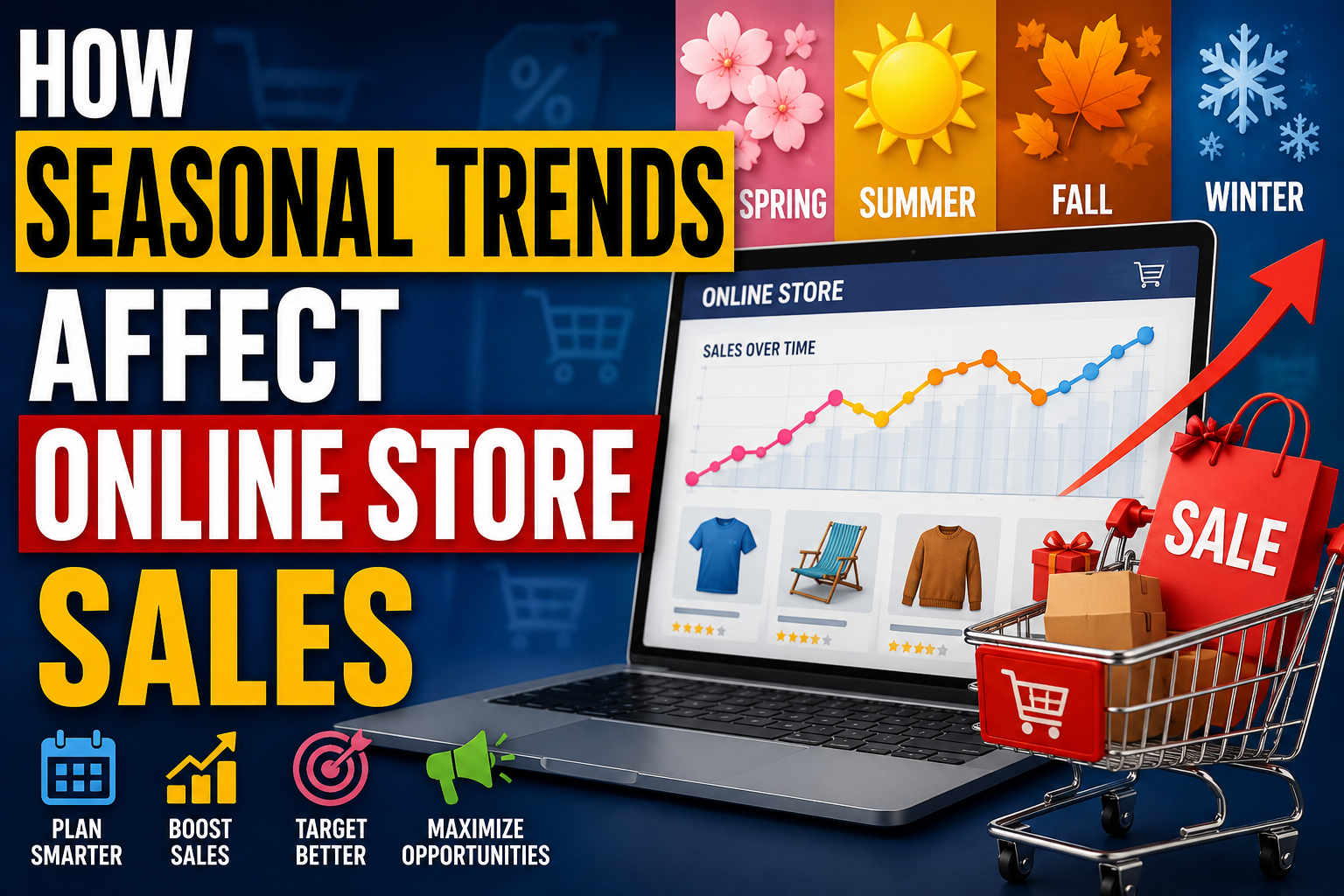
Introduction to Seasonal Trends in Retail
- Seasonal trends refer to the predictable changes in consumer behavior that occur during specific times of the year. These trends significantly influence retail sales, particularly in the context of online shopping. Retailers, both physical and online, often experience varying levels of demand based on seasonal patterns such as holidays, weather changes, and even cultural events. For example, during the winter season, shopping spikes for holiday gifts, while in late spring, consumers may seek out seasonal clothing and outdoor equipment.
- Understanding seasonal buying patterns is crucial for online store owners as it allows them to strategically plan their inventory, marketing campaigns, and promotional efforts. Each season brings unique opportunities and challenges, which can vary by product category. For example, fashion retailers often find that summer collections sell well during warmer months, while entertainment products see increased sales around major holidays. As such, recognizing these trends enables retailers to align their strategies with consumer demand.
- Moreover, the relevance of seasonal trends extends beyond just the types and categories of products available online. These trends also shape consumer expectations regarding discounts and sales. For example, consumers anticipate significant markdowns during Black Friday or Cyber Monday, positioning these events as prime opportunities for online retail. Understanding the nuances of these seasonal fluctuations helps online retailers to optimize their pricing strategies and enhance customer engagement.
- In conclusion, the impact of seasonal trends on online store sales is indelible. Businesses must remain vigilant and adaptable to these patterns to maximize their sales potential throughout the year.
Understanding Consumer Behavior During Different Seasons
- Consumer behavior exhibits significant variations throughout the year, influenced by seasonal trends and culturally ingrained practices. Understanding the psychology behind these shifts is essential for online retailers aiming to optimize their sales strategies. Each season brings distinctive holidays that catalyze consumer spending in unique ways, reflecting broader societal trends and consumer preferences.
- For instance, during the winter months, consumers are often inclined to engage in holiday shopping, driven by events such as Christmas and New Year. This period typically sees heightened spending as gifts and decorations become focal points for many households. Retailers often prepare specific marketing strategies to capitalize on this surge, emphasizing promotions and special offers that resonate with holiday themes.
- As the seasons transition into spring, consumers’ preferences often shift towards renewal and rejuvenation. This change is reflected in spending patterns, which may increase on products such as gardening supplies, seasonal apparel, and outdoor recreational items. The arrival of spring holidays, including Easter and Mother’s Day, further encourages purchases related to celebrations and gifts.
- Summer sees a different approach to spending, as consumers often prioritize travel and leisure. Online stores can benefit from targeting this demographic with travel gear, summer clothing, and outdoor entertainment products. Promotional activities during this season typically revolve around family vacations and outdoor events, aligning marketing efforts to meet consumer expectations.
- Finally, autumn reinstates a focus on preparation for the upcoming winter months, often prompting consumers to invest in clothing, home goods, and seasonal decor. Shopping events like Halloween lead to specific purchasing behaviors that reflect an increase in spending on themed items.
Through careful observation of these seasonal trends, online retailers can gain valuable insights into consumer behavior, enabling them to tailor marketing and inventory strategies effectively.
Impact of Holidays on Online Store Sales
- Holidays significantly influence online store sales, creating unique opportunities for retailers to enhance their revenue. Major holidays such as Christmas, Black Friday, and Valentine’s Day consistently drive up consumer spending, leading to remarkable spikes in online transactions. According to various studies, online sales can increase by over 100% during these peak shopping days compared to average sales periods. This surge is often attributed to a combination of strategic marketing and consumer psychology, whereby shoppers are incentivized to purchase gifts and deals during these occasions.
- Retailers prepare extensively for these holidays, employing various marketing strategies aimed at boosting visibility and attracting consumers. For instance, during Black Friday, many online stores launch early-bird sales, offering significant discounts and promotions designed to entice shoppers to make purchases. Similarly, Christmas shopping prompts retailers to ramp up their advertising efforts, with targeted campaigns that focus on both the holiday spirit and gift-giving. These strategies include email marketing, social media promotions, and engaging website content that highlights popular gift ideas.
- The emphasis on urgency, scarcity, and emotional appeal during the holidays also plays a crucial role in enhancing online sales. Consumers are motivated by limited-time offers and exclusive holiday promotions, which can significantly influence buying behavior. According to research, over 70% of consumers report that they plan their holiday spending in advance, indicating that successful marketing strategies often predict seasonal trends. Retailers who can effectively capitalize on these trends, whether through timely promotions or unique offerings, tend to see increased traffic and sales conversions.
Seasonal Product Trends and Inventory Management
- Seasonal trends play a pivotal role in shaping the product offerings and inventory strategies of online retailers. Understanding these trends is essential for businesses seeking to optimize sales throughout the year. Each season brings unique consumer preferences, which directly influence the types of products in demand.
- In the spring, for instance, consumers may gravitate towards gardening tools, outdoor furniture, and seasonal clothing, while the summer months often see increased demand for swimwear, beach accessories, and travel-related products. As autumn approaches, items associated with back-to-school shopping and Halloween festivities typically gain traction, leading to a spike in sales of stationery, costumes, and home decor. Finally, the winter season is often dominated by holiday shopping, driving consumers towards gifts, decorations, and winter apparel.
- For online retailers, effective inventory management is crucial to capitalize on these seasonal trends. Retailers must accurately forecast demand and adjust their inventory levels accordingly, to avoid the pitfalls of overstocking or stockouts. Utilizing analytics and historical sales data can provide valuable insights into which products are likely to be in demand during specific seasons, allowing retailers to proactively manage their stock.
- Moreover, implementing a flexible inventory management system can enable online stores to adapt quickly to changing consumer preferences. For instance, if a retailer identifies an unexpected surge in demand for a specific product due to a trend or event, having a robust inventory system in place allows for quick replenishment. Additionally, offering promotions and targeted marketing campaigns during peak seasons can further enhance sales performance, ensuring that the business remains competitive in the ever-evolving online marketplace.
Marketing Strategies for Seasonal Sales
- Seasonal trends present an invaluable opportunity for online retailers to tailor their marketing strategies to increase sales and enhance customer engagement. To capitalize on these opportunities, businesses can implement a variety of effective techniques that align with the specific characteristics of each season.
- First and foremost, promotional campaigns during peak seasons can significantly influence consumer purchasing behavior. For instance, leveraging holidays such as Christmas, Black Friday, or back-to-school periods, businesses can create attractive offers, discounts, and bundle deals that entice shoppers. Seasonal promotions should not only focus on price reductions but also highlight the relevance of products to the season, thus creating urgency among customers to make their purchases promptly.
- Another key strategy involves targeted advertising. By analyzing consumer data and seasonal trends, online stores can identify their audience segments and tailor advertisements accordingly. Utilizing platforms like Google Ads or Facebook Ads allows businesses to run targeted campaigns that reach potential customers when they are most likely to engage. For example, during the warmer months, promoting outdoor gear and summer apparel can yield better results by appealing to seasonal interests.
- Furthermore, harnessing the power of social media trends is indispensable for online retailers. Platforms like Instagram, TikTok, and Pinterest can be leveraged to showcase seasonal products through engaging and visually appealing content. Collaborating with influencers or utilizing user-generated content can also amplify brand visibility and credibility, attracting more shoppers. Engaging with followers through seasonal contests, polls, or themed hashtags encourages participation and fosters a sense of community, which can enhance brand loyalty.
- By implementing these marketing strategies—promotional campaigns, targeted advertising, and utilizing social media trends—online stores can effectively navigate seasonal fluctuations in consumer demand and optimize their sales performance.
Challenges of Seasonal Sales Fluctuations
- Online retailers often encounter significant challenges due to the fluctuations in sales that accompany different seasons. One major issue is the risk of overstocking. As businesses prepare for peak shopping seasons, they may overestimate the demand for popular products, leading to excess inventory that can become a financial burden. Overstocked merchandise requires additional storage space and may necessitate discounts to clear inventory, ultimately affecting profit margins.
- Another challenge that online retailers face is reduced cash flow during off-peak seasons. During these times, sales significantly decline, which can impact the overall liquidity of the business. A drop in revenue can hinder the retailer’s ability to invest in marketing strategies or replenish stock for upcoming high-demand seasons. This intermittent cash flow can lead to difficulties in meeting operational expenses, such as payroll or supplier payments, particularly for smaller businesses that operate with tighter financial margins.
- In response to these fluctuations, online retailers must develop agile business strategies that allow them to adapt quickly to changing consumer demands. This may include adjusting marketing campaigns or implementing promotional tactics to boost sales during slower periods. Retailers might also diversify their product offerings to appeal to a wider audience throughout the year, mitigating the risks associated with seasonal changes in consumer preferences.
- Moreover, accurate demand forecasting can help businesses prepare better for future fluctuations. Integrating data analytics tools can aid in understanding past sales trends and consumer behavior, informing better inventory decisions. Thus, by proactively addressing these challenges, online retailers can enhance their resilience against the unpredictability of seasonal sales fluctuations.
Case Studies: Successful Seasonal Campaigns
- Understanding how to effectively capitalize on seasonal trends can provide online stores with a significant advantage in boosting sales. Numerous businesses have successfully executed seasonal campaigns, demonstrating the potential benefits of aligning marketing strategies with consumer behaviors during specific times of the year. By examining several case studies, retailers can gather insights on effective tactics and the resultant sales improvements.
- One illustrative example is a prominent online clothing retailer that performed exceptionally well during the holiday season. By launching a targeted campaign a month in advance, they created a sense of urgency through limited-time offers on winter apparel. Utilizing a mix of social media advertisements, email marketing, and engaging content on their website, they managed to triple relevant traffic compared to the previous year. As a result, they reported a 40% increase in sales during the holiday period.
- Another case highlights a beauty products e-commerce site that synchronized their promotional efforts with the back-to-school season. They crafted a campaign that featured bundled products ideal for students, emphasizing convenience and affordability. By collaborating with influencers who resonated with their target demographic, the retailer was able to amplify their reach and engagement. The campaign not only enhanced their brand awareness but also led to a 25% rise in overall sales during this pivotal period.
- These examples serve as powerful reminders of the importance of aligning marketing strategies with seasonal trends. By leveraging data analytics to anticipate consumer behavior, online retailers can create tailored campaigns that foster increased engagement and drive sales. The common thread among these successful initiatives is the strategic pre-planning and execution that accommodates and responds to the specific concerns and interests of their customer base. Continually analyzing past campaigns helps retailers refine their approaches, ensuring they remain competitive in the fast-evolving online marketplace.
Future Trends in Seasonal Shopping
- The landscape of seasonal shopping is transitioning significantly, driven by various factors including advancements in e-commerce technology, evolving consumer behaviors, and a heightened awareness of sustainability. As online retail continues to expand, particularly in the wake of the COVID-19 pandemic, retailers are compelled to adapt to new shopping patterns that have emerged during this period.
- One notable trend is the integration of AI and machine learning within e-commerce platforms. This technology facilitates personalized shopping experiences, allowing retailers to analyze purchasing behaviors and recommend products accordingly. As consumers increasingly expect tailored shopping experiences, the adoption of smart algorithms will play a crucial role in driving sales during seasonal events. Furthermore, the shift towards mobile commerce is likely to reinforce online sales, as more customers use smartphones to browse and purchase items, making seasonal shopping more accessible than ever before.
- Moreover, consumer behavior has shown a distinct preference for brands that prioritize sustainability. This increasing consciousness about environmental impact is influencing purchasing decisions, prompting retailers to highlight eco-friendly practices and products. As we look to the future, those businesses that embrace sustainable practices within their seasonal sales strategies may find themselves at an advantage. Consumers are becoming more discerning, often choosing to support brands that align with their values, particularly during seasonal promotions.
- In summary, as we anticipate the future trends in seasonal shopping, it becomes clear that e-commerce technology, shifts in consumer behavior, and sustainability will be vital elements shaping sales strategies. Retailers must remain agile and responsive to these trends to not only meet consumer expectations but to thrive in an increasingly competitive market.
Conclusion: Adapting to Seasonal Changes
- In addressing the fluctuations inherent in online store sales, it becomes evident that seasonal trends play a pivotal role in shaping retailer strategies. Seasonal variations can greatly influence customer behavior, necessitating that e-commerce providers develop a comprehensive understanding of these changes to maximize sales potential. Retailers are encouraged to utilize data analytics to track trends and consumer preferences, enabling them to forecast demand accurately and optimize inventory accordingly.
- By aligning marketing efforts with identifiable seasonal patterns, online stores can enhance their visibility and appeal during critical sales periods. For instance, promotional campaigns tailored to holidays, seasonal changes, or special events can significantly increase traffic and engagement. Such strategic adaptations not only cater to existing customer needs but also attract new clientele by creating a sense of relevancy and urgency.
- Furthermore, integrating seasonal products into the online catalog is essential to capture consumer interest. Seasonal offerings, whether they are holiday-themed merchandise or summer essentials, encourage repeat visits and foster brand loyalty. By maintaining a flexible approach to inventory management and promotional strategies, retailers can effectively respond to shifts in consumer demand and preferences throughout the year.
- Ultimately, the ability to adapt to seasonal changes is crucial for online stores aiming to thrive in a competitive market. Retailers must be proactive, continually monitoring trends and utilizing measured strategies to ensure they not only meet consumer expectations but also drive profitability during peak seasons. By doing so, they bolster their market position and enhance their overall resilience, paving the way for long-term success in the ever-evolving landscape of e-commerce.
Login or create account to leave comments

Comments (0)