
Introduction to Thumbnail Design
- A thumbnail is a small representation of a video that plays a crucial role in shaping viewer impressions and decisions. Typically a still image, a thumbnail is displayed alongside the video title and description on various platforms, serving as a visual cue for potential viewers about the content within. The primary purpose of a thumbnail design is to entice an audience to click and watch the video it represents, making it an essential element of effective video marketing strategies.
- The importance of thumbnail design cannot be overstated. A well-crafted thumbnail is often the first point of interaction between your content and the audience. It acts as a visual hook, designed to capture viewer interest instantly. According to studies, videos that feature compelling thumbnails are more likely to experience higher click-through rates. This signifies that investing time and effort into creating an engaging thumbnail can lead to better engagement and overall video performance.
- Moreover, a thumbnail can convey the tone, theme, and message of the video effectively within seconds. It presents an opportunity for video creators to reflect the essence of their content quickly. Colors, fonts, and images used can evoke specific emotions and inform potential viewers about the quality and style of the video. Thus, the design elements must be chosen carefully to ensure they align with both the video content and the target audience's preferences.
- In a crowded digital space where numerous videos compete for attention, an eye-catching thumbnail can make all the difference. Its design must not only attract potential viewers but also provide an accurate representation of the video's content to prevent viewer disappointment. This balance between aesthetic appeal and truthful representation is what makes thumbnail design a critical aspect of video success.
Psychological Impact of Thumbnails
- Thumbnails serve as the initial visual representation of video content, playing a crucial role in shaping viewer perception and engagement. The psychology behind these visual elements extends to various facets, including color theory, imagery, and the use of typography. Each of these components can significantly influence a viewer’s decision to click on a video, making effective thumbnail design paramount in video strategy.
- Color theory is one of the foremost psychological aspects to consider in thumbnail creation. Colors evoke specific emotions and responses; for instance, red can create a sense of urgency, while blue is often associated with trust and calm. Applying complementary or contrasting colors can draw attention to key elements within a thumbnail. This strategic use of color not only enhances aesthetic appeal but also aligns with the video’s theme, thereby communicating the right message to potential viewers.
- Imagery is another critical element in thumbnail design. The choice of images can communicate a story or an idea at a glance, often making or breaking a viewer's decision. Faces, especially those showing strong emotions, tend to establish a connection and intrigue, encouraging viewers to delve into the content. Furthermore, having clear and relevant images helps in setting accurate expectations regarding the video content, fostering immediate interest.
- Finally, typography plays a vital role in conveying a message effectively. Fonts should be legible even at a reduced size, with a strong emphasis on clarity. Using bold fonts can highlight the most significant aspects of the video, while the overall font choice can reflect the tone of the content. A well-crafted thumbnail, harmoniously integrating color, imagery, and typography, can significantly enhance viewer engagement and impact video performance.
Analyzing Successful Thumbnails
- Video thumbnails serve as a visual gateway to content, making their design pivotal in influencing viewer decisions. Experts have analyzed various successful video thumbnails across popular platforms like YouTube and Vimeo. This analysis reveals several common traits that effective thumbnails share, providing insights into how to capture an audience's interest.
- One predominant characteristic of successful thumbnails is their clarity and simplicity. Thumbnails that feature clear imagery and minimal text tend to outperform more complex designs. When viewers can quickly ascertain the content of a video through its thumbnail, they are more likely to engage with it. The use of high-resolution images that are visually compelling further enhances the impact of the thumbnail.
- Color schemes play an essential role in obtaining viewer attention. Thumbnails that utilize bright, contrasting colors are frequently more eye-catching than those with muted palettes. Effective thumbnails often involve creating a balance that ensures that text and images do not clash but complement each other. For example, the strategic use of colors like red, yellow, or green can evoke certain emotions or draw immediate attention, thereby increasing click-through rates.
- Branding and consistent themes are also vital elements in the analysis of successful thumbnails. Many established content creators incorporate recognizable logos or design elements that resonate with their audience. This practice not only aids in establishing brand identity but also fosters viewer loyalty and recognition. Consequently, when viewers see a familiar style, they are more inclined to select those videos.
- Lastly, thumbnails often incorporate facial expressions and emotive visuals. Thumbnails featuring faces showing strong emotions tend to provoke curiosity and engagement, as they establish a human connection. In summary, by analyzing successful thumbnails, content creators can glean valuable lessons on clarity, color, branding, and emotional appeal that can lead to improved video performance.
Thumbnail Design Best Practices
- Creating effective thumbnails is an essential aspect of video production that significantly influences viewer engagement and video performance. To ensure that thumbnails stand out and effectively represent the content, several best practices should be followed.
- Firstly, image quality should be of utmost importance. High-resolution images not only appear more professional but also attract viewers' attention more effectively. A clear, vibrant thumbnail can set the tone for the content and pique interest. Low-quality images are unappealing and may convey a lack of professionalism, leading to lower view rates.
- Next, text legibility cannot be overlooked. If text is included in the thumbnail design, it should be bold and readable, even at smaller sizes. Using contrasting colors between the text and the background can enhance readability. Additionally, it is advisable to limit the amount of text to a few impactful words, ensuring that the key message is immediately apparent.
- Brand consistency is another critical element in thumbnail design. Using recognizable colors, fonts, and logos helps to build a strong brand identity. When viewers consistently see familiar branding in thumbnails, it fosters trust and encourages them to engage with the content. Consistency aids in establishing a recognizable presence on various platforms.
- Finally, it is essential to consider the ideal size and format for thumbnails tailored to different platforms. Each social media platform and video sharing site may have specific guidelines for thumbnail dimensions, typically ranging from 1280x720 pixels for YouTube to other sizes for Instagram and Facebook. Adhering to these specifications ensures that thumbnails appear correctly and avoid any unintended cropping or distortion.
- By following these best practices, creators can optimize their thumbnail designs, significantly enhancing video performance across platforms.
Tools and Software for Thumbnail Creation
- In today’s digital landscape, the significance of an eye-catching thumbnail cannot be understated. It serves as the first point of contact for viewers, ultimately impacting video performance and engagement. Fortunately, there exists a plethora of tools and software, catering to both novice creators and seasoned graphic designers.
- For beginners seeking user-friendly options, platforms such as Canva and Snappa are commendable choices. These tools offer a variety of pre-made templates tailored specifically for thumbnails, allowing users to drag and drop elements with ease. Canva, in particular, provides an extensive library of images, fonts, and graphics, enabling creators to produce visually appealing thumbnails in a matter of minutes. With its intuitive interface, even those without prior design experience can achieve professional results.
- In addition to Canva, Adobe Spark offers another accessible solution for novice users. It comes with simple features that allow customization while helping maintain a polished appearance. Users can experiment with backgrounds, overlays, and text styles to create unique designs that resonate with their target audience.
- On the other hand, advanced designers may prefer utilizing more sophisticated software such as Adobe Photoshop or Affinity Designer. These tools afford greater flexibility and control, enabling users to manipulate images and layers with precision. Adobe Photoshop, while requiring a steeper learning curve, is equipped with powerful features that can elevate thumbnail designs, making them stand out. It offers advanced color correction, retouching options, and an array of effects that can significantly enhance the visual appeal of a thumbnail.
- Regardless of skill level, there are tools available that can facilitate the creation of compelling thumbnails. The choice of software ultimately depends on personal preferences and the intended complexity of the design. By leveraging these resources effectively, creators can optimize their thumbnails to improve video performance and attract more viewers.
Impact of Thumbnails on Video Metrics
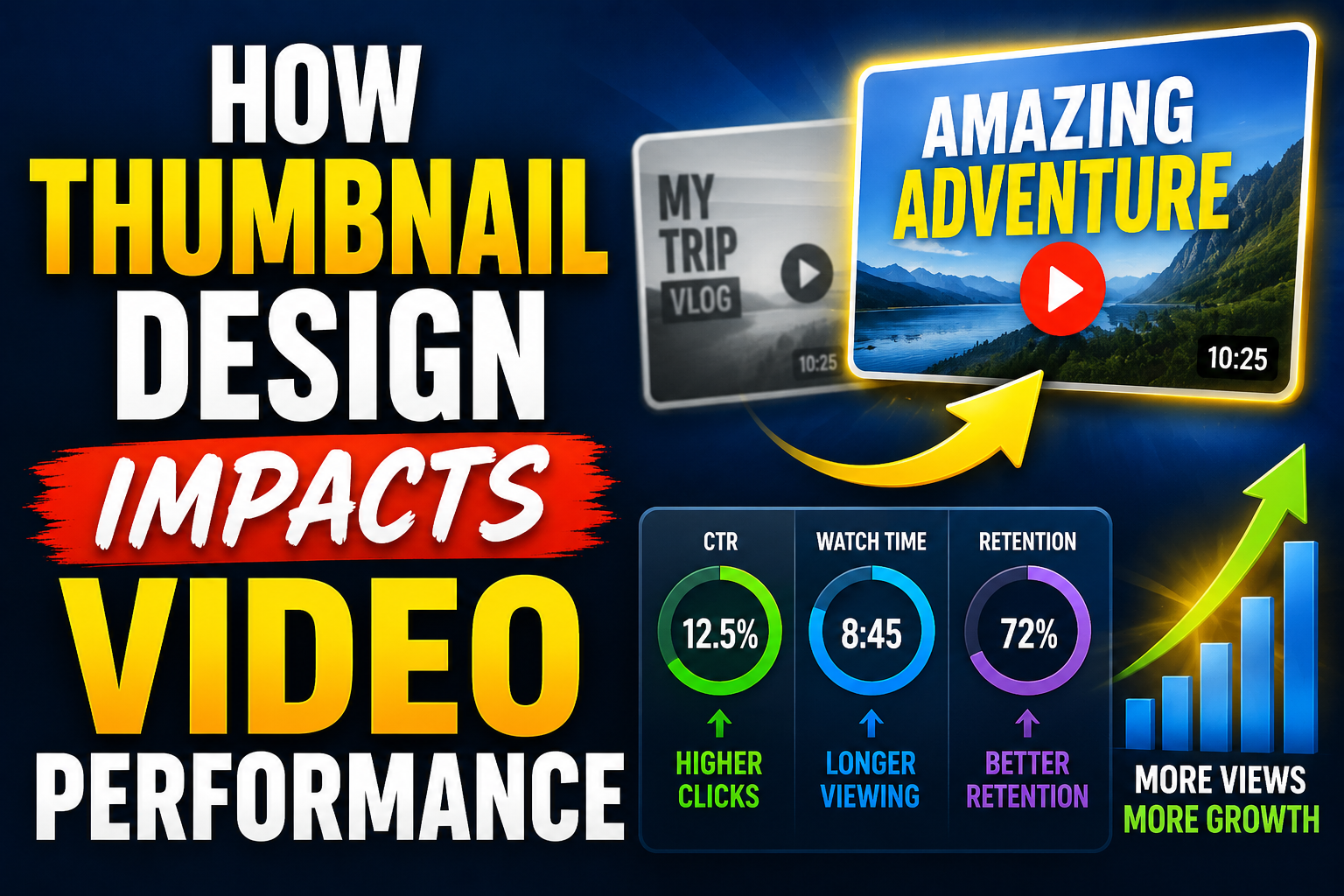
- Thumbnails play a crucial role in determining the performance of videos across various platforms, significantly influencing key metrics such as click-through rate (CTR), watch time, and viewer retention. A visually appealing thumbnail can entice viewers to click on a video, which directly correlates with a higher CTR. According to a study conducted by YouTube, videos with customized thumbnails saw an average increase in CTR by up to 154% compared to those with automatically generated thumbnails.
- Furthermore, the design of a thumbnail dictates the initial perception of content quality. Thumbnails that are clear, relevant, and engaging not only attract viewers but also suggest to them the level of professionalism and effort that has gone into the video production. This perception can lead to longer watch times, as viewers are more likely to stay engaged with high-quality content. A report from Wistia indicates that videos with compelling thumbnails can increase watch time significantly, with increases of over 30% noted across various genres.
- Viewer retention, another critical metric, is also shaped by thumbnail design. A well-crafted thumbnail manages viewer expectations, setting the stage for what they can expect from the video. If the content delivered matches the promise of the thumbnail, viewers are more likely to watch until the end. Research by BuzzSumo similarly supports this, showing that videos with thumbnails that accurately represent their content have a much higher viewer retention rate compared to those that mislead or underdeliver.
- In conclusion, the impact of thumbnails on video metrics is undeniable. Their ability to enhance click-through rates, stimulate watch time, and improve viewer retention makes them a vital component in video strategy. As content creators strive to optimize their video performance, investing time and resources into effective thumbnail design should be a priority.
Common Mistakes in Thumbnail Design
- Thumbnail design plays a crucial role in video performance, yet many creators inadvertently fall into common pitfalls that compromise their content's potential. One prevalent mistake is overcrowding visuals in thumbnails. A cluttered design can overwhelm viewers instead of drawing them in. An effective thumbnail should be clear and easily understandable, conveying the essential message of the video at a glance. When designing thumbnails, strive for simplicity and focus on a singular element that encapsulates the video's theme.
- Another frequent error is poor color choices. Colors are not merely aesthetic; they evoke emotions and attract attention. A thumbnail that uses clashing colors or lacks contrast can easily go unnoticed. It is beneficial to analyze color theory and implement a harmonious palette that complements the video's content, thereby enhancing viewer engagement. For instance, using bright and inviting colors can entice users to click on the video, whereas muted tones may not elicit the same response.
- A significant oversight is the lack of relevance to the video content. Thumbnails should accurately reflect what viewers can expect from the video. Misleading thumbnails may generate initial clicks but can lead to viewer dissatisfaction and high drop-off rates. This inconsistency can negatively impact channel credibility over time. To avoid this mistake, ensure that the thumbnail embodies the essence of the video by incorporating relevant imagery or text, aligning closely with the title and overall message.
- In summary, avoiding overcrowded visuals, making astute color choices, and ensuring content relevance are critical to creating effective thumbnails. By steering clear of these common mistakes, video creators can significantly enhance both the appeal and performance of their content.
A/B Testing Thumbnail Effectiveness
- A/B testing, also known as split testing, involves comparing two or more versions of a design to determine which one performs better. In the context of thumbnail design, this methodology is invaluable for optimizing video performance. By comparing thumbnails, content creators can discern which elements—such as color, typography, imagery, and layout—impact viewer engagement and click-through rates.
- The process of A/B testing thumbnails begins with the selection of key variables to test. It is essential to define your goals, which can include increasing views, improving audience retention, or maximizing click-through rates. Once the objectives are clear, it is important to create several thumbnail variations to assess their effectiveness. Each version should be distinct enough to draw meaningful insights from the results.
- The next step is to run the tests. This is commonly done through video hosting platforms that support A/B testing features. During the testing phase, the chosen thumbnails will be displayed to different segments of your audience. It is crucial to ensure that the viewer demographics are consistent across tests to maintain the integrity of the results. Tracking performance metrics, such as click-through rates and viewer engagement, provides a clear picture of which thumbnail attracts more audience interest.
- After gathering sufficient data, analyzing the results becomes the primary focus. Identifying which thumbnail led to higher performance and quantifying the degree of difference allows content creators to make informed design choices. This analytical approach aids in refining not only the thumbnails but also future video content strategy.
- A/B testing is an ongoing process. Continually iterating and optimizing thumbnails based on viewer behavior and preferences enhances overall content strategy, ensuring creators remain responsive to audience needs.
Conclusion and Future Trends in Thumbnail Design
- Thumbnail design plays a pivotal role in determining video performance across various digital platforms. An effective thumbnail not only draws viewers' attention but also conveys essential information about the video content, thus serving as a critical marketing tool. Throughout this discussion, we have highlighted the importance of maintaining a balance between aesthetics and informative elements to enhance viewer engagement and retention.
- As we look to the future, there are several emerging trends in thumbnail design that are likely to shape how content creators approach their visual representation. One notable trend is the integration of artificial intelligence in designing thumbnails. AI tools are becoming increasingly adept at analyzing viewer behavior and preferences, allowing creators to generate thumbnails that better resonate with their audience. By leveraging data analytics, these tools can optimize colors, font styles, and imagery based on what has historically driven clicks and views.
- Moreover, as virtual and augmented reality technologies evolve, thumbnail design may extend into immersive experiences. Instead of static images, we could see animated or interactive thumbnails that engage users in new ways, thereby increasing viewer curiosity and inclination to click. The shift towards mobile-first content consumption also emphasizes the need for adaptable thumbnail designs that look compelling on smaller screens.
- Additionally, staying attuned to the changing aesthetics that appeal to specific demographics will be crucial for content creators in order to maintain relevance. As different platforms evolve and new audiences emerge, the visual language of thumbnails will need to adapt to suit various cultural and stylistic preferences.
- In conclusion, the future of thumbnail design is set to be influenced by technological advancements and shifting viewer preferences. Content creators must remain flexible and innovative to harness these developments, ensuring that their thumbnails not only capture attention but also effectively represent the essence of their videos.
Login or create account to leave comments

Comments (0)