
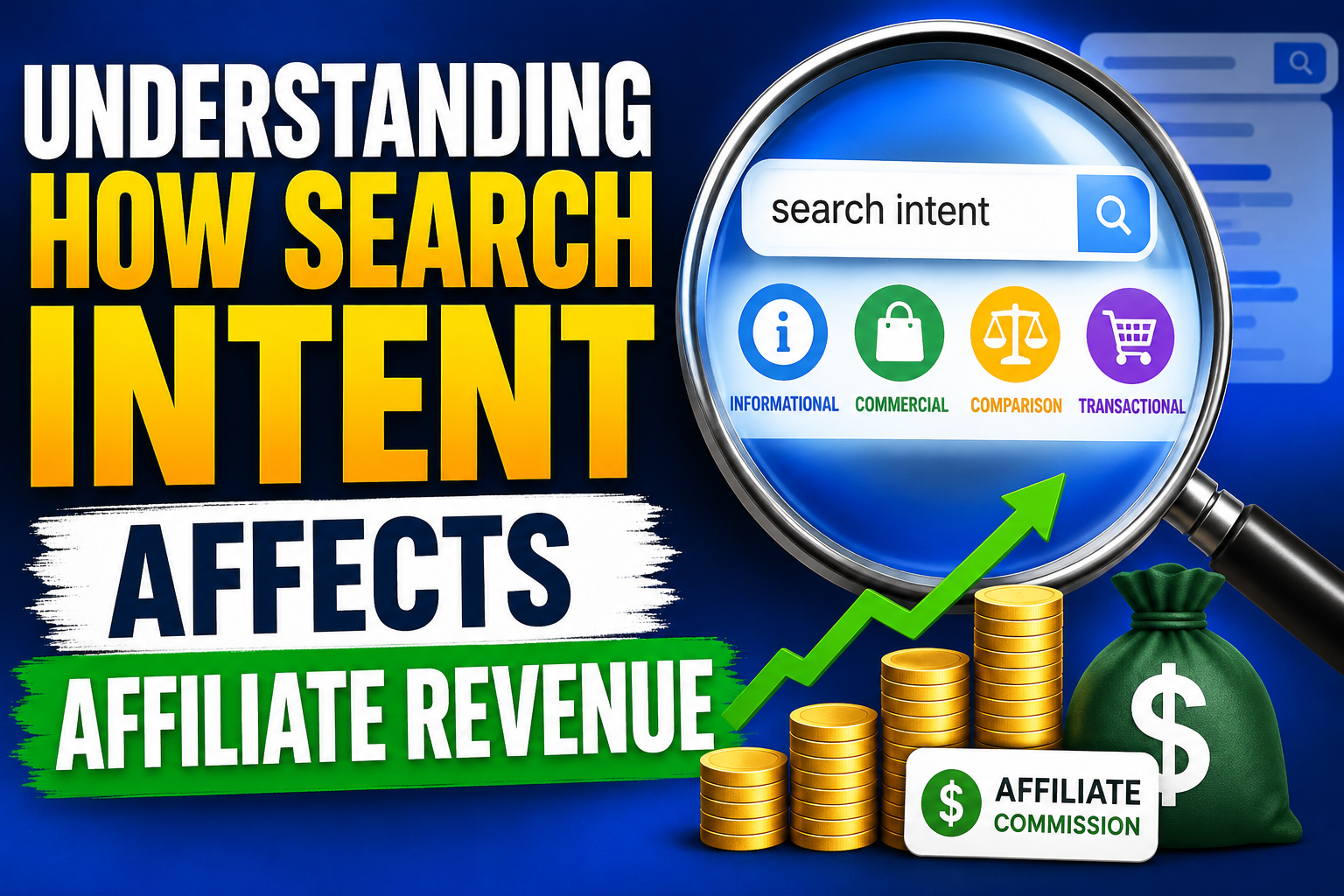
Introduction to Search Intent
- Search intent, also referred to as user intent, is the primary motivation behind a user's search query. It serves as a guiding principle that influences how individuals interact with search engines and determine the content they seek. Understanding search intent is crucial for optimizing digital marketing strategies, particularly in affiliate marketing, where aligning offers with users' intentions can significantly enhance revenue outcomes.
- There are four primary types of search intent: navigational, informational, transactional, and commercial investigation. Each of these categories reflects varying user motivations and can lead to different online behaviors.
- Navigational intent occurs when users aim to find a particular website or location online. For example, a user searching for "Facebook login" is seeking direct access to the Facebook platform. This type of query typically leads to high click-through rates for branded affiliated links, as users already possess a clear goal.
- Informational intent, on the other hand, is characterized by users seeking knowledge about a specific topic. An example can be a query like "how to start a blog." Users with informational intent are generally looking for articles, guides, or instructional videos. For affiliate marketers, this presents an opportunity to provide valuable content that addresses users’ needs while promoting relevant products.
- Transactional intent indicates a readiness to complete a purchase. Queries like "buy running shoes online" demonstrate that the user is at a stage where they are ready to make a transaction. It is essential for affiliate marketers to ensure that their offerings align closely with these queries to capture potential buyers.
- Lastly, commercial investigation represents users who are conducting product research before making a purchase. A search such as "best gaming laptop 2023" shows that the user is looking for comparisons and recommendations. Catering to this intent through well-structured reviews and comparisons can effectively drive affiliate revenue.
The Importance of Aligning Content with Search Intent
- Aligning content with user search intent is crucial for maximizing the effectiveness of an affiliate marketing strategy. Search intent refers to the underlying motivation behind a user's query, reflecting what they truly wish to achieve or discover. By understanding and addressing these intents, affiliate marketers can create content that resonates with their audience, which can lead to significant benefits such as increased engagement and reduced bounce rates.
- When content is tailored to specific search intents, it directly addresses the unique questions and needs of users. For instance, if a user searches for "best running shoes for flat feet," the ideal content should provide comprehensive reviews, comparisons, and suggestions tailored for that demographic. This type of precise targeting not only ensures that visitors find what they are looking for but also establishes trust, which is fundamental for fostering consumer loyalty. Such an alignment promotes longer session durations as users are more likely to consume additional information that meets their needs.
- Moreover, when users engage positively with aligned content, it can lead to lower bounce rates—a critical metric in the digital landscape. A high bounce rate often indicates that visitors do not find the site relevant to their search. Conversely, when users encounter content that matches their intent, they are more inclined to stay, explore further, and proceed with conversions, which significantly contributes to affiliate revenue. By focusing on creating content that meets the demands of the target audience, affiliate marketers can enhance their strategies, ensuring that their offerings yield fruitful results.
Types of Search Intent and Their Implications for Affiliate Marketing
- In the realm of affiliate marketing, understanding the various types of search intent is crucial for optimizing content strategy and maximizing revenue. Search intent can be broadly categorized into four main types: informational, navigational, transactional, and commercial investigation. Each type informs the user's goals and influences their behavior, thereby dictating the approach affiliate marketers should take to align their content with user expectations.
- Informational intent refers to users seeking knowledge rather than a direct purchase. They may search for topics such as "best smartphones 2023" or "how to use affiliate marketing effectively." In this case, affiliate marketers should create detailed content that answers questions and provides value, incorporating affiliate links naturally. This approach positions marketers as trusted resources, encouraging users to consider products in the context of the information provided.
- Navigational intent occurs when users are looking for specific websites or brands, such as searching for "Amazon Prime membership." For affiliate marketing, it’s essential to optimize content around prominent brands, ensuring that links direct users effectively. Here, marketers can generate revenue by guiding users to companies while offering additional insights into why those brands stand out.
- Transactional intent signifies a readiness to make a purchase, indicated by searches like "buy the latest iPhone". Affiliate marketers should focus on creating persuasive and clear calls to action, showcasing deals or comparisons to stimulate conversions. Offers, discounts, and promotions should be highlighted to capture the user’s intent effectively.
- Lastly, commercial investigation intent involves users comparing products or services before making a buying decision, such as queries like "best affiliate marketing tools." Marketers should tailor their content to include comparisons, reviews, and in-depth guides that assist potential buyers in their decision-making process, thus increasing the likelihood of affiliate sales.
Analyzing Search Intent through Keywords
- Keyword analysis is a pivotal element in understanding search intent, which can significantly influence affiliate revenue. By correctly identifying the motivations behind a user's search, marketers can tailor their content to meet specific needs, consequently boosting engagement and conversion rates. The correlation between keywords and user intent is paramount to crafting an effective affiliate strategy.
- To effectively analyze keywords for their intent, one must begin with comprehensive keyword research. This involves utilizing tools such as Google Keyword Planner, SEMrush, or Ahrefs that can provide insights into search volume, competition, and related terms. Analyzing these key metrics allows content creators to determine whether a keyword is transactional, informational, navigational, or commercial. Each type of keyword aligns with different stages in the buyer's journey, making it essential to select thoughtfully.
- Another strategy for understanding search intent is to examine the search engine results pages (SERPs) for the selected keywords. By carefully observing the types of content that rank highly, marketers can glean insights into what users are seeking. For instance, if a high-ranking result is a product review, it indicates that users are likely in the decision-making phase and looking for detailed comparisons before proceeding with a purchase.
- Moreover, incorporating long-tail keywords is advantageous as they often reveal deeper user intent. Long-tail keywords tend to attract more qualified traffic because they address specific queries or needs. For example, instead of targeting the general keyword "running shoes," focusing on a long-tail version such as "best running shoes for flat feet" can attract users who are likely ready to make a purchase.
- In summary, the careful selection and analysis of keywords not only clarify user intent but also influence the effectiveness of affiliate marketing efforts. Aligning content to targeted keywords enhances both visibility and engagement, transforming search intent into tangible revenue streams for affiliate marketers.
Creating Content that Matches Search Intent
- Developing content that aligns with search intent is essential for maximizing affiliate revenue. The key to successful content creation lies in understanding the different types of search intent: informational, navigational, and transactional. Each type necessitates a tailored approach to meet user needs effectively.
- For informational search intent, where users seek knowledge or answers, articles should be structured as comprehensive guides or detailed tutorials. Such content can address common queries and misapprehensions related to a product or industry. By incorporating relevant statistics, expert opinions, and visuals, writers enhance user engagement, increasing the likelihood of converting visitors into affiliates.
- When targeting navigational intent, which involves users looking for specific websites or brands, creating content that emphasizes brand recognition is crucial. Providing helpful resources such as brand histories or specific product insights encourages users to trust your recommendations. Including links to the brands’ official websites or social media can improve user experience, facilitating smoother navigation.
- For transactional intent, where users are inclined to make a purchase, product reviews and comparison articles play a pivotal role. Writers should focus on crafting honest, persuasive reviews backed by real user experiences. Detailed comparisons between similar products enable potential buyers to make informed decisions, highlighting their pros and cons. Additionally, clear calls-to-action should be strategically placed, directing readers towards affiliate links while ensuring compliance with regulation standards.
- Ultimately, the most effective content resonates with its intended audience. Conducting thorough keyword research aids in identifying prevalent search queries, ensuring your content ranks well in search engines and meets user expectations. By adhering to these best practices, your affiliate marketing efforts can achieve greater success through optimized content that aligns with distinct search intents.
Using Analytics to Track Search Intent Effectiveness
- In the digital landscape, tracking user behavior through analytics is instrumental in understanding search intent, which in turn influences affiliate revenue. By utilizing various analytical tools, marketers can gain valuable insights into how potential customers interact with their content. Several key metrics can be monitored to ascertain the effectiveness of how well the search intent is being addressed.
- Among the most crucial metrics is the click-through rate (CTR). This metric indicates the percentage of users who click on a link compared to the total number of users who view the search results. A higher CTR suggests that the content aligns well with user search intent, indicating that it effectively meets their needs. Conversely, a low CTR might necessitate a review of the content's relevancy and appeal.
- Another vital metric is the time on site. This measurement reflects how long visitors stay on a webpage after entering it. If users spend extended periods on the site, it is a strong indication that the content resonates with their search intent. However, if the time on site is limited, it may reveal that users are not finding the information they expected, suggesting a disconnect that warrants attention.
- Lastly, conversion rates are an essential component for evaluating the success of affiliate strategies. This metric demonstrates the percentage of users taking desired actions, such as making a purchase or signing up for a newsletter. A high conversion rate indicates that the content not only attracts the right audience but also effectively addresses their needs, facilitating a successful affiliate relationship.
- By focusing on analytics metrics like click-through rates, time on site, and conversion rates, marketers can refine their approach to match search intent more precisely. This data-driven strategy is vital for maximizing affiliate revenue and improving overall marketing effectiveness.
Case Studies: Successful Affiliate Campaigns Driven by Search Intent
- To illustrate the effective use of search intent in affiliate marketing, it is beneficial to examine several real-life case studies where campaigns have successfully resonated with targeted audiences. By analyzing their strategies, valuable insights can be gained, which can ultimately enhance future affiliate marketing efforts.
- One prominent example is an online fitness retailer that focused on high-intent keywords such as "buy running shoes" and "best running sneakers for marathons." They crafted content targeting each stage of the buyer's journey, offering product reviews, comparison charts, and user-generated content that addressed potential buyers' concerns. Key to their success was understanding the search intent: consumers were not only looking for information but were ready to make a purchase. This resulted in a substantial increase in conversion rates.
- Another notable campaign was executed by a technology blog that specialized in home gadgets. They capitalized on the search intent surrounding seasonal trends, such as "smart home devices for summer". By creating timely guides and product lists that matched user expectations, they ensured that their affiliate links were featured prominently. This strategic alignment with search intent led to a notable spike in affiliate revenue during key shopping periods.
- Furthermore, a personal finance website achieved success through targeted content based on questions frequently searched by users, such as "best credit cards for travel rewards." Their approach was dual-faceted: they not only provided analytical reviews but also incorporated personal stories that engaged readers. By aligning content with the user's intent to seek value and advice, they were able to effectively drive traffic and conversions.
- These case studies highlight critical best practices, including the importance of aligning content with user search behavior, responding to seasonal trends, and providing comprehensive insights. As demonstrated, the alignment of affiliate marketing strategies with search intent can significantly impact revenue, offering valuable lessons for marketers aiming to enhance their campaigns.
Challenges of Aligning Content with Search Intent
- Aligning content with search intent poses several challenges for affiliate marketers, which often impacts revenue generation efforts. One significant challenge is the rapidly changing user behavior. As trends evolve, the way users search and the type of information they seek can shift dramatically. What resonates with users one month may not attract the same interest another month as preferences or needs change, necessitating an agile content strategy that can adapt quickly to these fluctuations.
- Another obstacle marketers face is competition for keywords. As the online market grows, so does the number of competitors vying for the same keywords. This competition can dilute visibility, making it more difficult for affiliate marketers to rank high in search results. Consequently, marketers must not only pursue the right keywords but also incorporate long-tail variations and competitor analysis into their strategies to capture relevant traffic effectively.
- Additionally, the need for ongoing content optimization complicates matters further. Creating high-quality content that aligns with search intent is just the beginning; the content must also be routinely updated and optimized to stay relevant. This includes monitoring performance metrics, understanding shifts in search algorithms, and leveraging insights from user engagement. Regular assessments and updates are indispensable for ensuring that content continues to meet the evolving needs of the audience, thereby maximizing potential affiliate revenue.
- In summary, the challenges of aligning content with search intent are multifaceted, comprising shifting user behaviors, increased competition, and the necessity for continuous optimization. Marketers must be vigilant and proactive in their strategies to navigate these hurdles successfully.
Conclusion and Future Outlook on Search Intent in Affiliate Marketing
- In reviewing the critical role that search intent plays in affiliate marketing, several key takeaways emerge that can significantly influence revenue generation. Firstly, understanding the difference between informational, navigational, and transactional search intent can greatly enhance how affiliate marketers tailor content and strategize their marketing efforts. The primary objective is to align content with the specific needs and intents of users, allowing for seamless engagement and conversion.
- Secondly, as the digital landscape continues to evolve, it is imperative for affiliates to remain agile. Trends in user behavior can shift rapidly due to changes in technology or consumer preferences. Thus, staying informed about the latest developments in search engine algorithms and user engagement metrics is crucial. Regular analysis of keyword performance and shifts in search intent patterns can offer valuable insights that help refine marketing approaches.
- The importance of continuous education cannot be overstated. Affiliate marketers should actively seek resources—whether through online courses, industry blogs, or professional forums—that cover emerging trends in SEO and consumer behavior. Building a diverse knowledge base will not only enhance individual expertise but also position marketers to effectively respond to unexpected changes in search algorithms or market dynamics.
- Looking ahead, embracing advanced tools that leverage artificial intelligence and machine learning may also prove beneficial. These tools can analyze vast amounts of search data to identify emerging trends and predict future shifts in search intent. By integrating such technologies into their strategies, affiliate marketers can ensure that their content remains relevant, effectively catering to users' needs in real-time.
- In summary, successfully navigating the intricacies of search intent is paramount for maximizing affiliate revenue. Continuous learning, adaptability, and leveraging technological advancements will be key strategies for affiliates aiming to thrive in an ever-evolving digital landscape.
Login or create account to leave comments

Comments (0)